
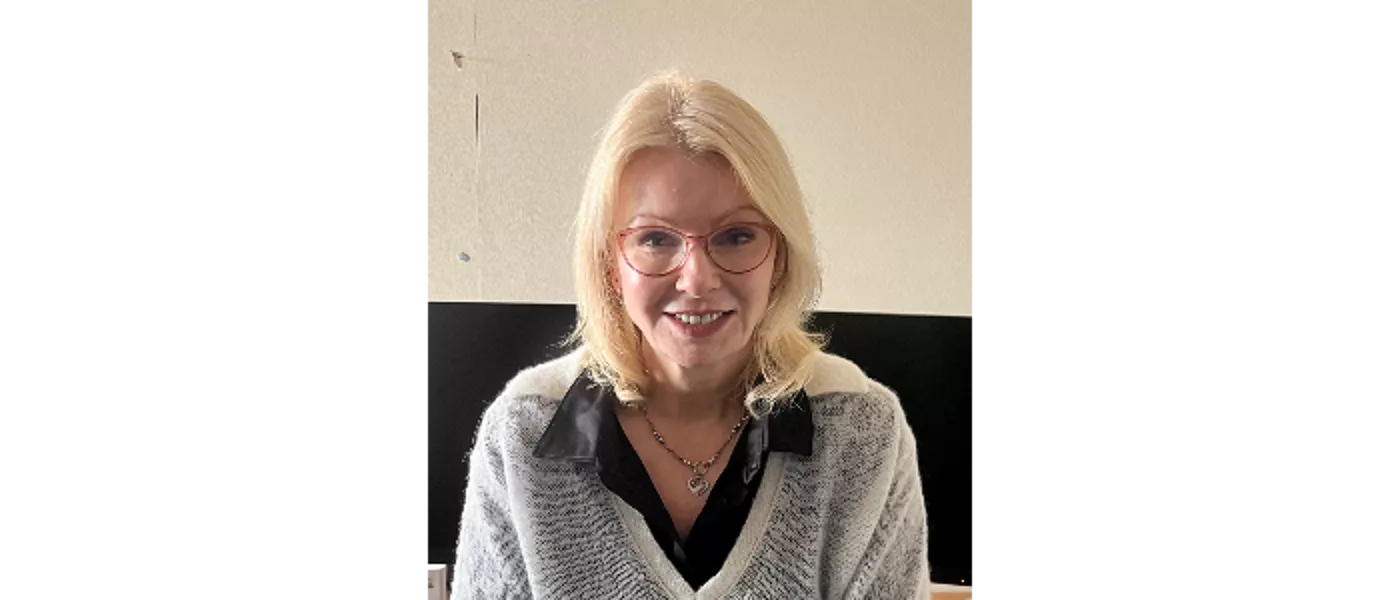
Understanding Gambling in Modern Society: A Sociological Perspective
I have spent much of my academic life trying to understand something that, on the surface, appears simple: why people gamble. Over time, however, it became clear to me that this question opens into something far more complex-into questions about risk, uncertainty, inequality, and the very structure of modern society. My work at the University of Glasgow in the United Kingdom has been driven by a desire to move beyond narrow explanations of gambling as merely an individual choice or pathology, and instead to situate it within the broader cultural and economic systems that shape our lives.
When I first became interested in gambling, I was not approaching it as a specialist field but as part of a wider sociological curiosity about how modern societies deal with uncertainty. We live in a world where traditional forms of stability0secure employment, predictable life trajectories, clearly defined social roles-have increasingly given way to volatility. In such a world, risk is no longer something to be avoided; it is something to be managed, embraced, and even commodified. Gambling, I came to realize, is one of the most visible and accessible expressions of this shift.
My early academic development was shaped by broader debates in sociology and cultural theory, particularly those concerned with the nature of risk in late modernity. These debates provided a foundation for my later work, allowing me to see gambling not as an isolated activity but as something deeply connected to wider transformations in economic and social life. Over time, this perspective became central to my research and to the arguments I would go on to develop in my writing.
My career has been closely associated with the University of Glasgow, where I have had the opportunity to develop my ideas and collaborate with colleagues across disciplines. The university has provided an environment in which interdisciplinary work is not only possible but encouraged, and this has been essential to my approach. Gambling, after all, cannot be fully understood through a single lens. It requires insights from sociology, psychology, economics, and public health, among others.
Over the years, my roles and areas of focus have evolved, reflecting both my own intellectual development and the changing nature of the field. The following table provides an overview of this progression:
One of the most significant milestones in my career was the publication of The Age of Chance: Gambling in Western Culture. In writing this book, I wanted to explore how gambling reflects broader cultural changes, particularly the increasing centrality of chance and uncertainty in modern life. The book was an attempt to show that gambling is not simply a marginal or deviant activity, but rather a window into the values and structures of contemporary society. Receiving the Philip Abrams Memorial Prize for this work was both an honor and a validation of the importance of this perspective.
As my research developed, I became increasingly dissatisfied with static categories such as “problem gambler” and “non-problem gambler.” These labels, while useful in certain contexts, fail to capture the dynamic nature of human behavior. This led me to develop the concept of “gambling careers,” which views gambling as a process that unfolds over time. People move through different phases, influenced by changes in their personal circumstances, social environment, and economic conditions. This perspective has important implications for how we think about intervention and support, suggesting that flexibility and responsiveness are key.
Another area that has been central to my work is the concept of gambling-related harm. Early research in this field tended to focus on extreme cases of addiction, often treating them as isolated problems. However, my work has emphasized that harm exists on a spectrum and can affect a wide range of individuals and communities. It is not only those who meet clinical definitions of addiction who experience negative consequences, but also those whose gambling leads to financial strain, emotional distress, or social disruption.
The themes that have guided my research can be summarized as follows:
In recent years, I have become particularly interested in the relationship between gambling and inequality. My research has shown that the harms associated with gambling are not evenly distributed, but are instead concentrated among those who are already vulnerable. This raises important ethical and political questions about the role of the state and the responsibilities of the industry. Governments often benefit financially from gambling through taxation and licensing, creating a complex relationship in which they are both regulators and stakeholders.
The rapid growth of digital technologies has added another layer of complexity to this issue. Online platforms and mobile applications have made gambling more accessible than ever before, allowing people to engage at any time and from any place. While these developments have created new opportunities, they have also increased the potential for harm. Understanding how these technologies shape behavior is now a central challenge for researchers and policymakers alike.
Throughout my career, I have published a range of works that reflect these evolving interests. Some of the most significant are listed below:
Looking back, I see my work as part of a broader effort to rethink how we understand not only gambling, but also the societies in which it takes place. By shifting the focus from individual behavior to structural conditions, I have tried to highlight the ways in which economic systems, cultural norms, and political decisions shape our experiences of risk and reward. This perspective does not deny individual agency, but it insists that agency is always exercised within a context that both enables and constrains it.
| Year | Title | Type | Link |
|---|---|---|---|
| 1999 | The Age of Chance | Book | View |
| 2006 | Social Impact of Gambling | Report | View |
| 2011 | Beginning Gambling | Article | View |
| 2013 | Gambling Careers | Article | View |
| 2019 | Gambling as Social Practice | Article | View |
| 2022 | Framing Gambling | Chapter | View |
As gambling continues to evolve, particularly in digital environments, the questions that have guided my work remain as relevant as ever. How do we live with uncertainty? How do we manage risk? And how do we ensure that the costs of these processes are not borne disproportionately by those who are least able to afford them? These are not only questions about gambling, but about the nature of contemporary life itself.
| Period | Institution | Role | Focus Area |
|---|---|---|---|
| 1990s | University of Glasgow | Researcher | Cultural meanings of gambling |
| 2000–2010 | University of Glasgow | Senior Researcher | Risk and modern society |
| 2010–2020 | University of Glasgow | Professor | Gambling harm and inequality |
| 2020–Present | Gambling Research Glasgow | Research Lead | Policy and public health |
| Various | WHO and UK bodies | Advisor | Regulation and harm reduction |